Orthodontist vs. Dentist for Braces: Why Specialty Training Matters
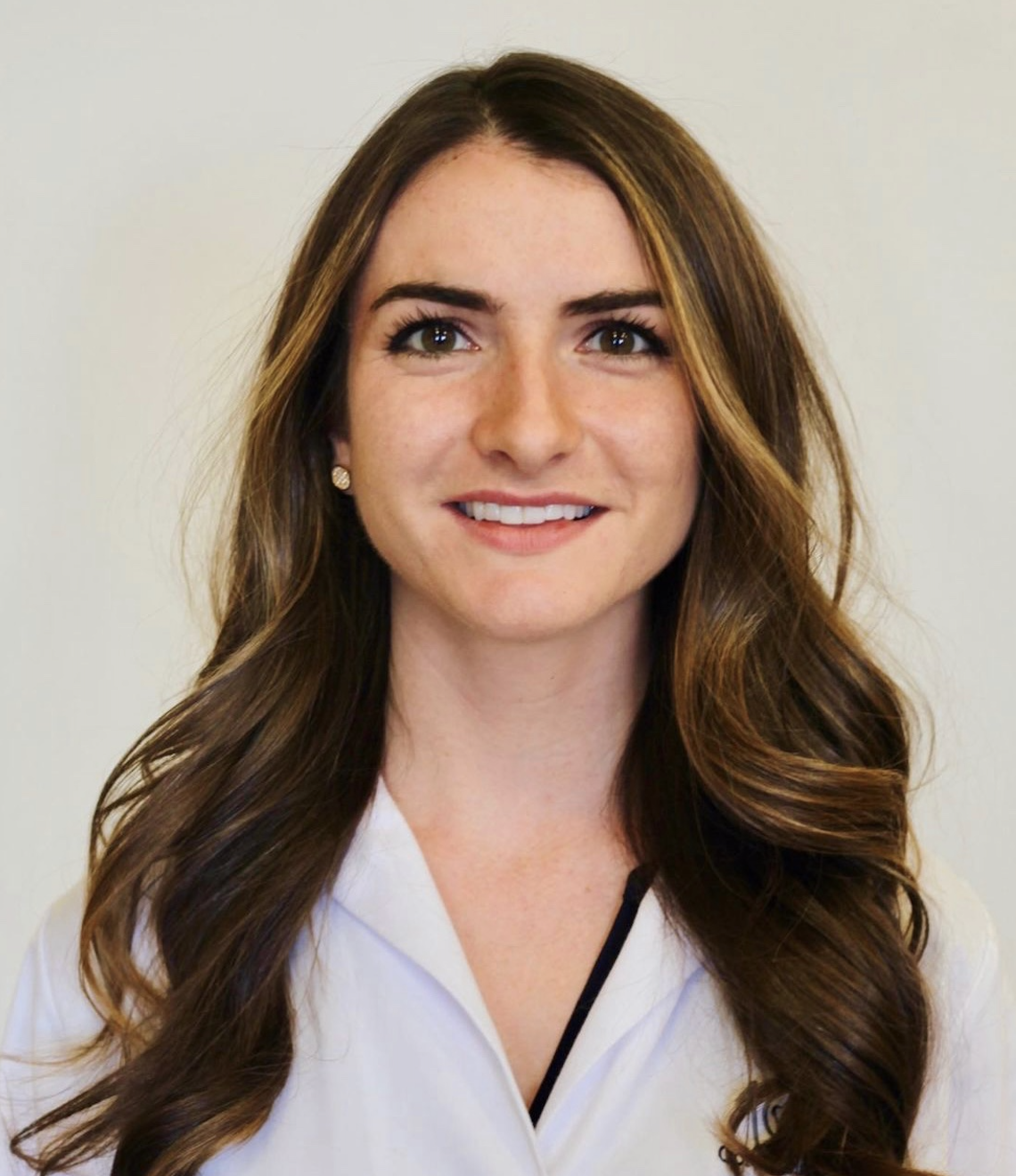
If you’re exploring braces or Invisalign for yourself or your child, one of the most important decisions you’ll make isn’t which treatment to choose. It’s who you trust to provide it.

With more general dentists now
offering clear aligners and even braces, it’s understandable that families across Huntington and the surrounding communities have questions about the difference between an orthodontist and a dentist when it comes to straightening teeth.
As a board certified orthodontist, I hear this question all the time, and I think it’s a great one. Understanding what sets orthodontic specialty training apart can help you make a more informed decision for your family.
EVERY DENTIST STUDIES TEETH. NOT EVERY DENTIST SPECIALIZES IN MOVING THEM.
All orthodontists are dentists, but not all dentists are orthodontists. After completing dental school, an orthodontist goes on to complete an additional two to three years of full time residency training in an accredited orthodontic program. This residency is focused entirely on the science of tooth movement, jaw growth and development, and facial balance.
During that time, orthodontic residents treat hundreds of cases under close supervision, studying everything from early childhood bite development to complex adult alignment. It’s a level of depth that goes well beyond what’s covered in general dental school.
MY TRAINING: COLUMBIA UNIVERSITY AND THE AMERICAN BOARD OF ORTHODONTICS
I completed my orthodontic residency at Columbia University, one of the most respected programs in the country. That training gave me a strong clinical foundation in diagnosing and treating a full range of orthodontic conditions, from straightforward crowding to more complex bite and jaw alignment issues.
After residency, I took an additional step that fewer than a third of practicing orthodontists complete, earning Diplomate status from the American Board of Orthodontics. This is the highest level of certification in the specialty and requires a rigorous examination process that evaluates clinical knowledge, treatment outcomes, and ongoing professional development. Board certification reflects a commitment to holding myself to the highest standard of care for every patient.
WHAT DOES THIS MEAN FOR YOU AND YOUR FAMILY?
Specialty training matters because orthodontic treatment involves much more than shifting teeth into a straighter line. Every case requires evaluating how the teeth, jaw, and facial structure work together as a system, and how those dynamics may change over time, especially for growing children and teens.
An orthodontist is trained to identify issues that might not be visible on the surface: developing bite problems, airway considerations, jaw growth patterns, and the long-term stability of results. These are the factors that determine whether treatment leads to a smile that looks great and functions well for years to come.
GENERAL DENTISTS AND ALIGNERS: WHAT TO KNOW
Many general dentists now offer clear aligner systems as part of their practice, and there’s nothing wrong with that. For certain straightforward cases, a general dentist may be a perfectly fine option. However, it’s worth knowing that the training behind the provider matters, especially for cases that involve anything beyond mild crowding or spacing.
Orthodontists spend years learning to manage the complexity of tooth movement, including when and how to adjust a treatment plan as things progress. That experience can make a meaningful difference in the quality, safety, and long-term stability of your results.
Choosing the Right Provider in Huntington and Beyond
When families in Huntington, Kings Park, Smithtown, and across Long Island are deciding where to go for orthodontic care, I always encourage them to ask a few key questions:
Is your provider a board-certified orthodontist?
What does their residency training include beyond dental school?
Will the same doctor oversee your care from start to finish?
At Alex Orthodontics, I personally provide all orthodontic care for every patient. You won’t see a rotating team of associates or be handed off between providers. From your very first visit through the day your braces or aligners come off, I’m the one guiding your treatment. That’s part of what it means to deliver truly personalized care.
YOUR SMILE DESERVES A SPECIALIST
Choosing between a dentist and an orthodontist for braces or Invisalign is a personal decision, and I respect that every family’s situation is different. My goal with this post isn’t to discourage anyone from seeing their general dentist. It’s simply to help you understand what additional training and certification an orthodontist brings to the table so you can make the choice that feels right for you.
If you’re considering braces or Invisalign for your child, your teen, or yourself, I’d love the opportunity to meet you. We offer a Complimentary Consultation at Alex Orthodontics, where we can discuss your goals, evaluate your needs, and walk you through your options with no pressure and no obligation.
Alex Orthodontics provides braces and Invisalign for kids, teens, and adults in Huntington, NY, proudly serving families from Huntington Station, Greenlawn, Cold Spring Harbor, Centerport, Northport, Dix Hills, Melville, Kings Park, Smithtown, and across Long Island throughout Suffolk County.
Schedule your complimentary consultation today: Click to Book Now
Alex Orthodontics Huntington / Greenlawn, NY Board-Certified Orthodontic Care for Children, Teens & Adults.

Really enjoyed reading this article. It clearly explains why specialty training makes such a difference when choosing someone for braces treatment. Many people only focus on cost, but expertise matters too. Even while searching for Affordable Braces Near Me in Australia, understanding the value of an orthodontist's advanced training can help families make more informed decisions.